bootstrap templates


Air Ceylon
De Havilland Comet 4


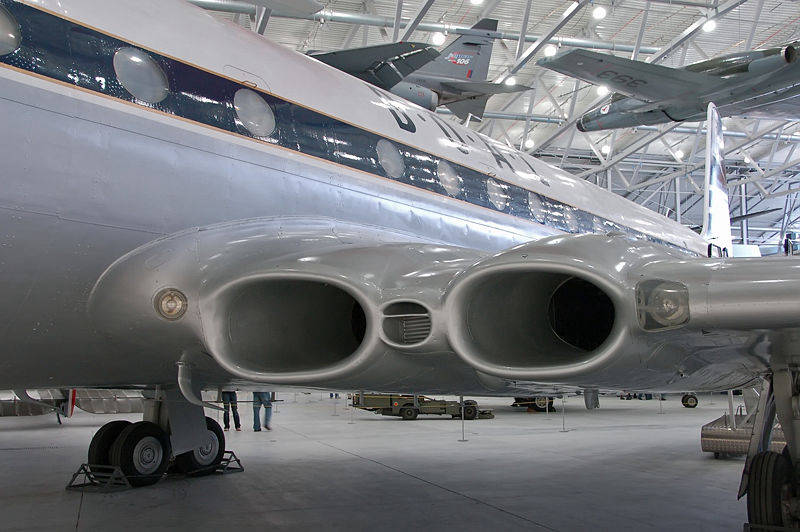
The de Havilland DH 106 Comet was the world's first commercial jet airliner to reach production. Developed and manufactured by de Havilland at the Hatfield, Hertfordshire, United Kingdom headquarters, it first flew in 1949 and was a landmark in aeronautical design.[5] It featured an extremely aerodynamically clean design with its four de Havilland Ghost turbojet engines buried into the wings, a low-noise pressurised cabin, and large windows; for the era, it was an exceptionally comfortable design for passengers and showed signs of being a major success in the first year upon launching.

However, a few years after introduction into commercial service, Comet airframes began suffering from catastrophic metal fatigue, which in combination with cabin pressurisation cycles, caused two well-publicised accidents where the aircraft tore apart in mid-flight. The Comet had to be withdrawn and extensively tested to discover the cause; the first incident had been incorrectly identified as having been caused by an on board fire. Several contributory factors, such as window installation methodology, were also identified as exacerbating the problem. The Comet was extensively redesigned to eliminate this design flaw. Rival manufacturers meanwhile developed their own aircraft and heeded the lessons learned from the Comet.

Although sales never fully recovered, the redesigned Comet 4 series subsequently enjoyed a long and productive career of over 30 years. The Comet was adapted for a variety of military roles, such as surveillance, VIP, medical and passenger transport; the most extensive modification resulted in a specialised maritime patrol aircraft variant, the Hawker Siddeley Nimrod. Nimrods remained in service with the Royal Air Force (RAF) until they were retired in June 2011,[6] over 60 years after the Comet's first flight.

4 × Rolls-Royce Avon Mk 524 turbojets, 10,500 lbf (46.8 kN) each

Maximum speed: 526 mph (457 knots, 846 km/h)
Range: 3,225 mi (2,800 nmi, 5,190 km) (with 16,800 lb (7,620 kg) payload)
Service ceiling: 42,000 ft[138] (12,800 m).

Empty weight: 75,400 lb (34,200 kg)
Max takeoff weight: 162,000 lb (73,500 kg)

Length: 111 ft 6 in (33.99 m)
Wingspan: 114 ft 10 in (35.00 m)
Height: 29 ft 6 in (8.99 m)
Wing area: 2,121 sq ft (197 m²)
Airfoil: NACA 63A116 mod root, NACA 63A112 mod tip[137]

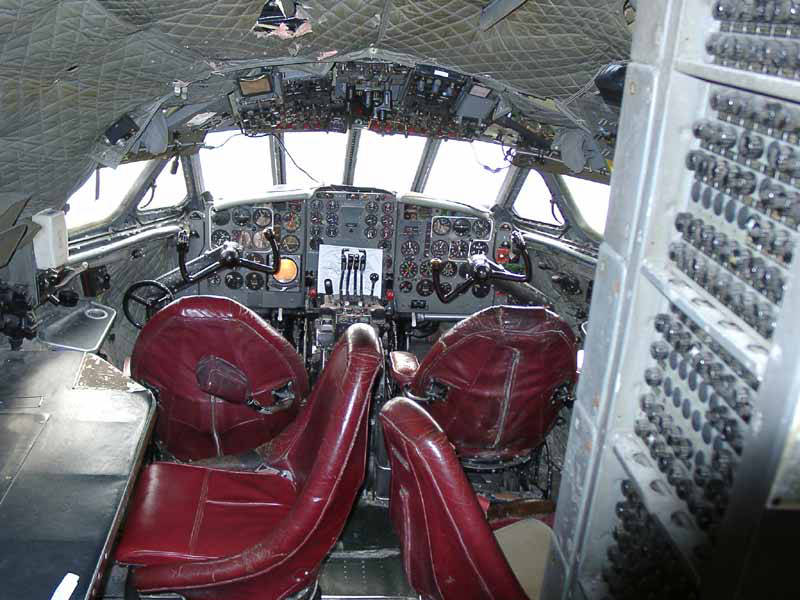
Crew: 4 (2 pilots, flight engineer and radio operator/navigator)
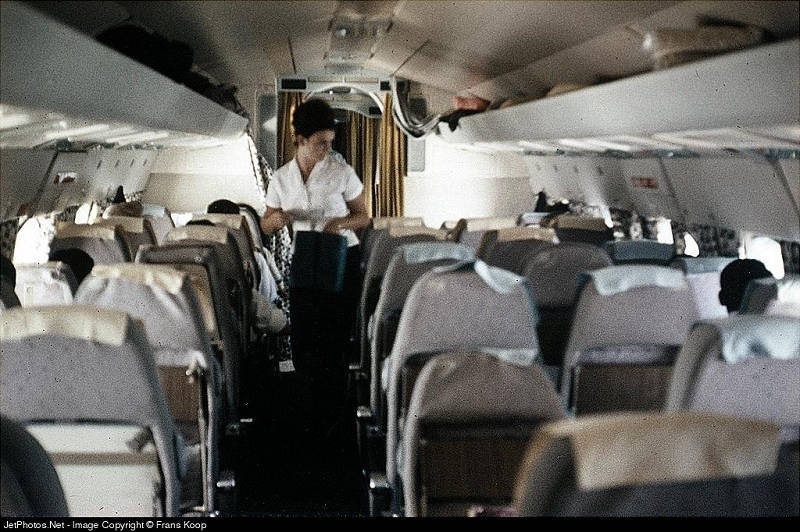
Capacity: 56–81 passengers [136] 119 passengers could be accommodated in a special "charter seating" package in the later 4C series[15]

Mobirise


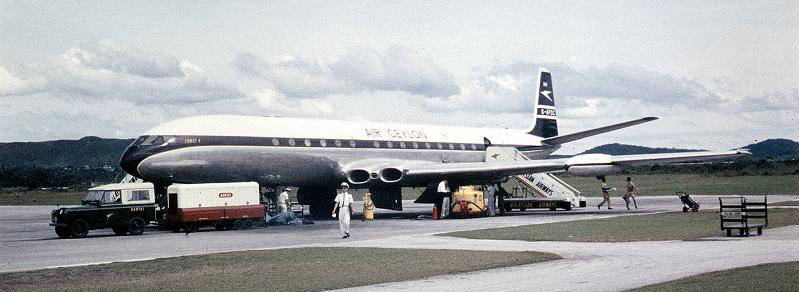
1. Air Ceylon De Havilland DH-106 Comet 4 - Kuala Lumpur - Sungai Besi / Simpang (WMKF) Malaysia, 1963. G-APDC flight from Ceylon to Singapore with a stopover at Kuala Lumpur.

Air Ceylon Aircraft Index

alkva

In some quarters [aviation is] still seen as a luxury good. In Europe it's almost like a sin tax imposed on airlines, because it's such a naughty thing to do, like smoking and drinking. This is nonsense, of course. Aviation is a huge economic enabler for growth -- not only economic growth but also social development. The fact that Europe has such a competitive and comprehensive aviation system now has helped shrink Europe. Now it's not unusual for people from Spain to visit Scandinavia for the weekend. The level of understanding, of cultural comprehension that's being driven by aviation is massive. - IATA CEO Interview

Within all of us is a varying amount of space lint and star dust, the residue from our creation. Most are too busy to notice it, and it is stronger in some than others. It is strongest in those of us who fly and is responsible for an unconscious, subtle desire to slip into some wings and try for the elusive boundaries of our origin. - Footprints on Clouds

© ALKVA MMXI - MMXXII