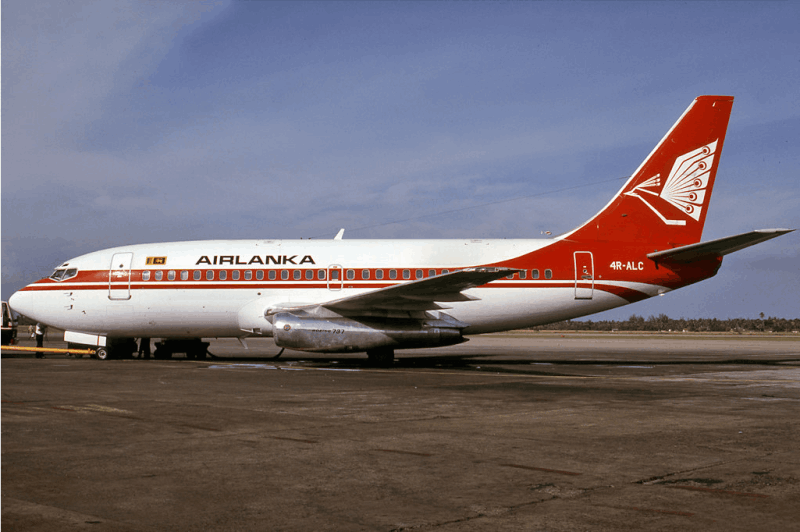
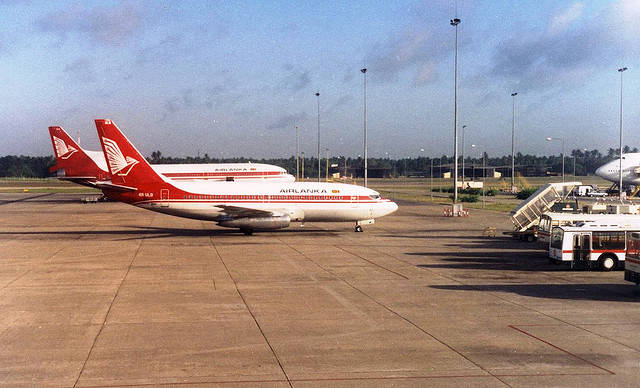
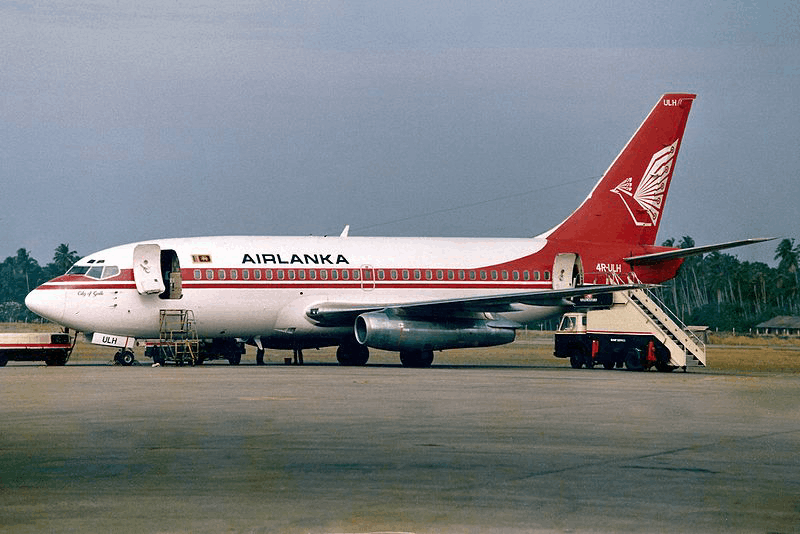
737-100 - Two 62.3kN (14,000lb) Pratt & Whitney JT8D-7 turbofans.
737-200 - Two 64.5kN (14,500lb) JT8D-9As, or two 68.9kN (15,500lb) JT8D-15s, or two 71.2kN (16,000lb) JT8D-17s, or two 77.4kN (17,400lb) JT8D-17Rs with automatic reverse thrust.
737-100 - Max speed 943km/h (509kt), economical cruising speed 852km/h (460kt). Range with max fuel 2855km (1540nm).
737-200 - Max speed 943km/h (509kt), max cruising speed 927km/h (500kt), economical cruising speed 796km/h (430kt). Range with 115 passengers and reserves between 3520km (1900nm) and 4260km (2300nm) depending on weight options and engines.
737-100 - Empty 25,878kg (57,000lb), max takeoff 49,940kg (110,000lb).
737-200 - Operating empty 27,448kg (60,600lb), max takeoff 52,390kg (115,500lb), or optionally 58,740kg (129,500lb).
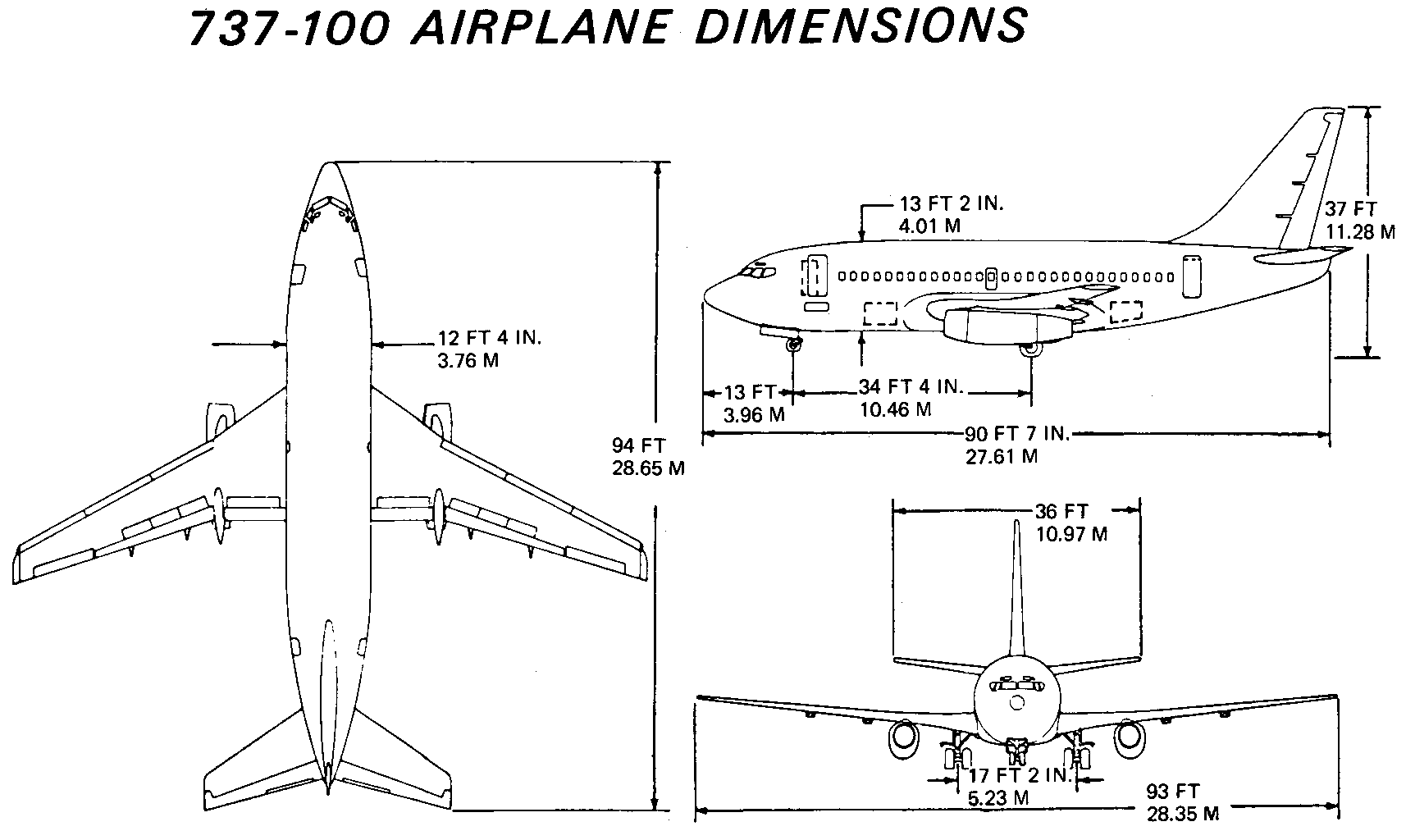
737-100 - Wing span 28.35m (93ft 0in), length 28.67m (94ft 0in), height 11.29m (37ft 0in). Wing area 91.1m2 (980sq ft).
737-200 - Same except for length 30.53m (100ft 2in).
Flight crew of two.
737-100 - Typical single class seating for 100.
737-200 - Typical single class seating for 115, max seating for 130 at 74cm (29in) pitch.
737-200C/QC payload 15,545kg (34,270lb), consisting of pallets or containers.


When you think about flying, it's nuts really. Here you are at about 40,000 feet, screaming along at 700 miles an hour and you're sitting there drinking Diet Pepsi and eating peanuts. It just doesn't make any sense.
- David Letterman -